
How to integrate SeaSkin Life into a hotel in 90 days
From the isolated spa to a wellness ecosystem experienced throughout the entire building
In luxury hospitality, wellness is no longer perceived as an additional service. Nor as a spa hidden in the basement. Today, the guest expects something different: they want to feel that the place takes care of them from the moment they walk through the door.
Rest no longer begins in the treatment room. It begins in the air, in the light, in the materials, in the scent of the room, in the silence of the hallway, in the ritual they encounter when opening the minibar or preparing for sleep.
That is why hotels that are leading the new international standard are not expanding their treatment menus. They are redesigning the entire experience.
They do not add services.
They build systems.
Integrating SeaSkin Life does not mean “incorporating cosmetics” or “adding another protocol to the spa.” It means transforming wellness into a cross-functional infrastructure, capable of accompanying the guest throughout their entire stay, from arrival to check-out.
When this happens, wellness ceases to be a one-off activity and becomes a constant perception.
The body lets its guard down.
Breathing regulates.
Time dilates.
And that is what the client remembers.
The process is not complex, nor does it require major construction. In fact, what surprises hotel managers most is how quickly it can be activated. In less than three months, an establishment can go from offering isolated treatments to operating as a coherent wellness ecosystem.
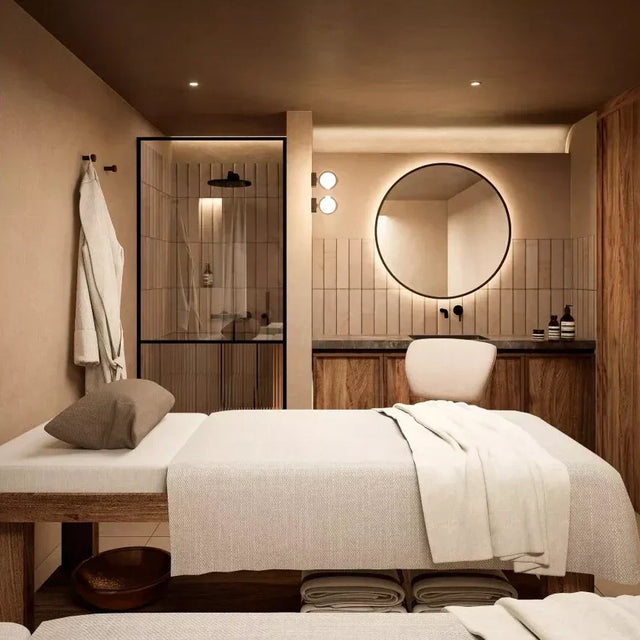
The first move happens in the spa. Not to make it bigger, but more precise. Rituals are simplified, standardized, and turned into clear protocols that any therapist can replicate with excellence. The treatment room stops being just a place for massage and becomes a space for nervous system regulation, where every gesture, every temperature, and every texture has a specific function.
Afterwards, wellness leaves the treatment room and enters the guest room. It appears in the form of sensory amenities, botanical mists, sleep oils, or small evening or morning rituals. Not as decorative gifts, but as real tools that help to sleep better, recover energy, or alleviate jet lag. The guest does not feel like they are being sold a product. They feel that the hotel is thinking of them.
That intimate moment, alone in their room, is where loyalty is born.
Later, wellness is integrated into common areas. In the morning light of the gym, in the calm of a breathing room, in the possibility of performing micro-rituals between meetings or after a long flight. These are discrete, almost invisible interventions that nevertheless completely change the perception of the place.
What was once simply a hotel begins to feel like a sanctuary.
And finally, the entire system connects with retail and continuity at home. What the guest has experienced during their stay can accompany them afterwards. Not as a memory, but as an extension of the experience. Wellness stops ending at check-out.
It continues.
When this integration occurs, something interesting happens: the spa stops depending on occasional bookings, the rooms gain perceived value, the hotel brand differentiates itself without having to compete on price, and the guest begins to choose the establishment for how they feel there, not just for its location.
That change is silent, but profound.
Because in the new luxury, the true differentiator is not what you see.
It is how it regulates you.
SeaSkin Life does not enter hotels as a supplier. It enters as an operating structure. As a method. As a culture of care.
And when wellness becomes a system, it ceases to be just another service.
It becomes an identity.
Are you considering integrating SeaSkin Life into your hotel or wellness space?
We design personalized operational wellness systems.
Request a strategic consultation at info@seaskinlife.com

0 Comments
There are no comments for this article. Be the first one to leave a message!