
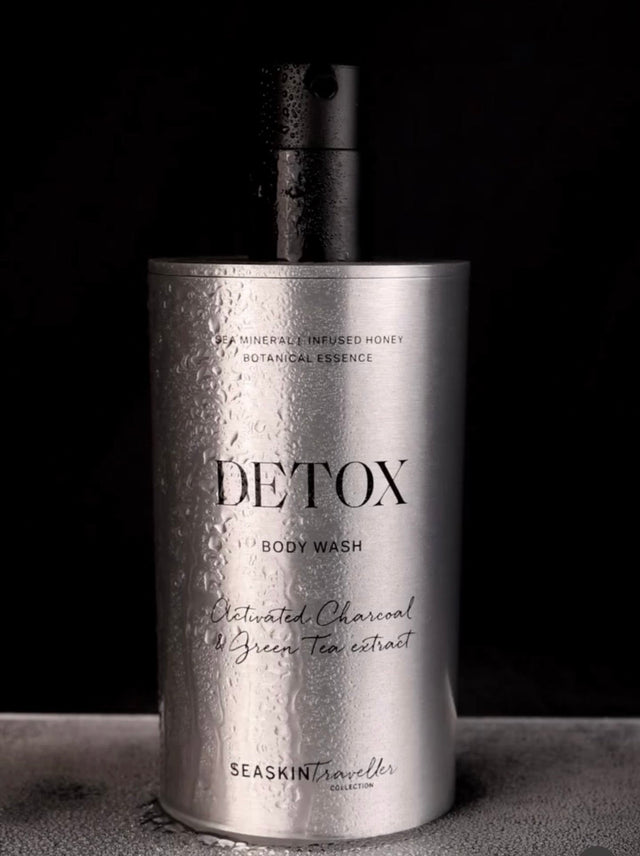
Beyond the spa: why well-being needs a strategic partner, not a provider
For decades, wellness in hospitality was managed as just another purchasing category. A cosmetics supplier, a treatment menu, some cabin equipment, and occasional staff training. Valuable elements, certainly, but conceived as independent, easily replaceable, almost interchangeable pieces. The spa operated as a service added to the hotel, not as part of its structure.
That model is no longer enough.
The contemporary traveler does not distinguish between departments. They do not perceive where the spa begins and the room ends. They only register a global sensation: rest or friction, regulation or fatigue, coherence or noise. And that perception is not built with isolated products, but with systems.
Wellness has ceased to be a service. It has become an infrastructure.
Like lighting, acoustics, or sleep quality, body care is part of the invisible architecture that sustains the guest's complete experience. When that layer is well designed, everything flows. When it is not, no treatment can fully compensate for it.
In this context, the difference between working with suppliers or with partners becomes decisive.
A supplier delivers product.
A partner assumes responsibility for the result.
The former installs. The latter integrates.
Most hotels continue to operate from a supply-based logic: choose a brand, define a menu, launch the service. But real wellness does not behave like a commodity. It demands method, coordination, training, follow-up, and a vision that permeates daily operations. It demands someone capable of thinking through the entire system.
Because excellence is not born from adding attractive elements, but from eliminating friction between them.
When wellness is managed solely from a purchasing perspective, the experience depends on the individual effort of each therapist or the enthusiasm of a specific team. There may be brilliant moments, but rarely is there consistency. Service fluctuates, identity is diluted, and the spa remains isolated from the rest of the hotel.
However, when it is conceived as a strategic framework, everything changes. Protocols align, timing is coordinated, training becomes continuous, and every gesture responds to the same logic. The guest does not experience disjointed services; they inhabit a culture of care.
And culture, in hospitality, is what truly defines luxury.
This integral approach also implies thinking about wellness beyond the cabin. The experience does not end with a sixty-minute treatment, but continues in the room, in the rhythm of the day, in the small details that accompany the guest when they are alone. Sensory amenities, self-care rituals, and operational gestures become natural extensions of the method. Not as isolated products, but as part of a 360° experience where everything responds to the same intention: supporting rest, presence, and body regulation throughout the entire stay.
The room ceases to be just accommodation.
It becomes a continuity of wellness.
When that continuity exists, the guest does not need to choose to relax. It simply happens.
But integrating this transversal layer requires more than just a good selection of cosmetics or treatments. It requires coordination between departments, an operational reading of the space, team training, standardization of protocols, and constant support. It requires a partner capable of getting involved in the structure of the hotel, not just its service menu.
That is why hotels that understand wellness as a competitive advantage no longer look for brands. They look for partners.
Teams that work alongside management, operations, and the spa to design a system that is replicable, measurable, and coherent over time. Partners who train people, adjust processes, define standards, and ensure that quality does not depend on chance, but on method. Partners who think of wellness as part of the hotel’s DNA and not as an aesthetic complement.
At SeaSkin Life, we operate from that logic.
Our work does not consist solely of developing products or rituals, but in building integrated wellness ecosystems. We collaborate with hotels, architects, and internal teams to align design, operation, cabin experience, and room continuity under the same strategic framework. We support implementation, refine processes, observe how the guest responds, and adjust the system until excellence becomes natural.
We do not deliver services.
We sustain results.
Because true luxury is not in surprising once, but in delivering consistently.
When wellness is managed as a partnership, the spa ceases to be a department and becomes a structural advantage. It improves the experience, strengthens the hotel's identity, and consolidates longer-lasting relationships with the guest. But, above all, it provides stability: replicable quality, consistent operation, and a sense of calm that is maintained day after day.
In a sector where everything can be copied—design, gastronomy, architecture—perhaps the only real differentiation is invisible. The ability to create environments where the body rests without effort and where time seems to slow down.
That state is not bought from a catalog.
It is built.
And to build it, a supplier is no longer enough.
A strategic partner is needed.

0 Comments
There are no comments for this article. Be the first one to leave a message!